
Services
Eyecare Services in Buffalo
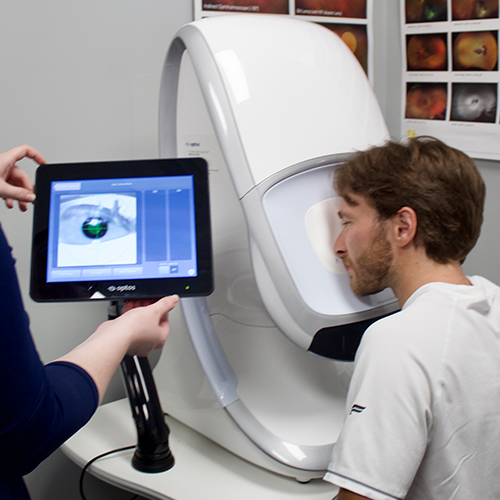
Comprehensive Eye Exam
Routine eye exams are a vital aspect of preventive eye care. Without routine eye exams, vision issues often go undetected since most eye disorders don't have clear symptoms.
Learn More
Contact Lens Exam
If you’ve never worn contact lenses before, it can seem a bit intimidating. After all, you’re inserting something into your eye! Let’s ease your mind about the first step – your contact lens exam.
Learn More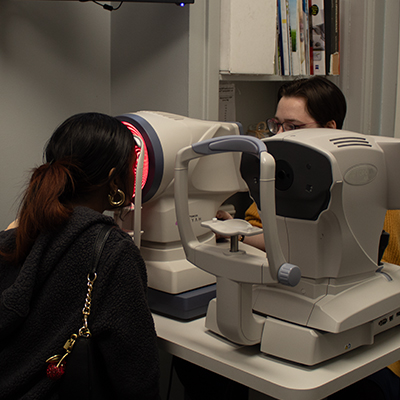
Emergency Eye Care
Eye emergencies cover a range of incidents and conditions such as; trauma, cuts, scratches, foreign objects in the eye, burns, chemical exposure, photic retinopathy, and blunt injuries to the eye or eyelid.
Learn More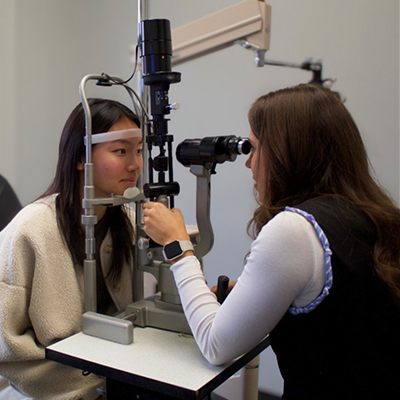
Dry Eye Treatment
Dry Eye can have a major impact on your quality of life. You may find your eyes get tired faster or you have difficulty reading.
Learn More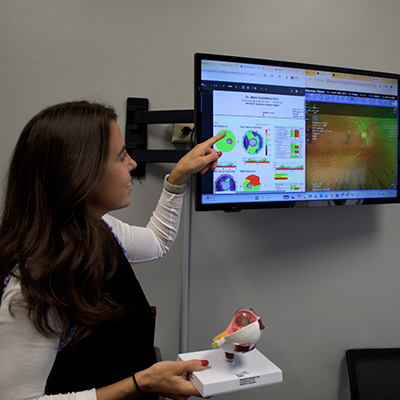
Glaucoma
If you’ve been diagnosed with glaucoma, you’re probably already familiar with the typical options in glaucoma treatment – eye drops, laser treatment or traditional surgery.
Learn More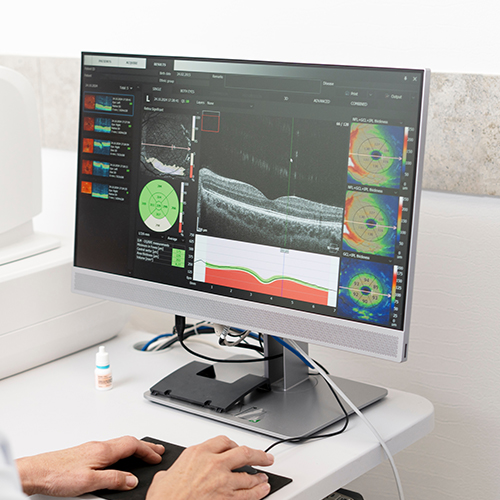
Diabetic Eye Exam
You have almost certainly heard of diabetes, which is one of the most common chronic health conditions in the United States with an estimated 100 million adults currently living with diabetes or pre-diabetes.
Learn More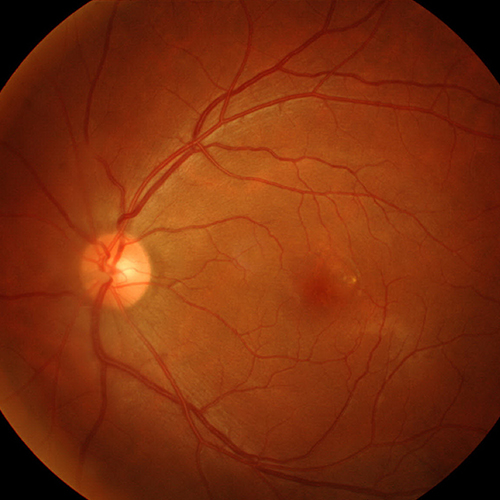
Macular Degeneration
Macular degeneration, commonly referred to as age-related macular degeneration (AMD), is the single largest cause of sight loss in the developed world and affects more than 10 million Americans.
Learn More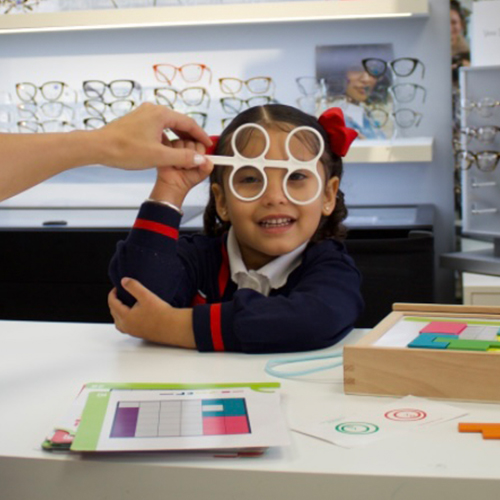
Vision Therapy
Vision therapy is a doctor-supervised program designed to correct many common visual disorders and/or improve visual skills. It’s especially useful for treating vision problems that cannot be corrected with eyeglasses, contacts, or surgery alone.
Learn More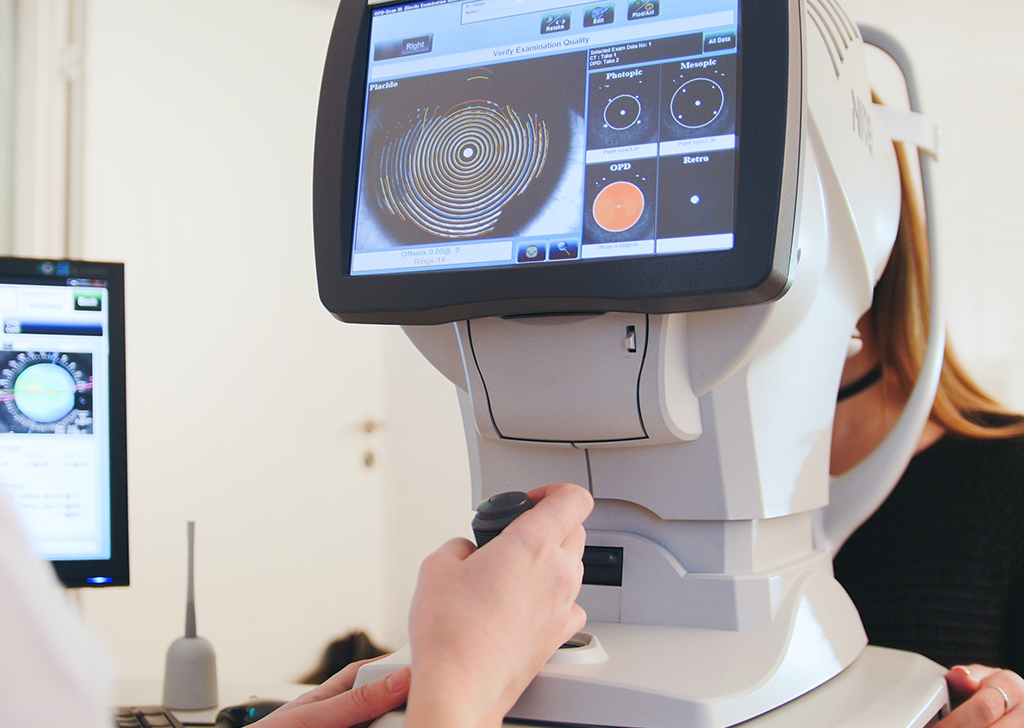
Ortho-K
Many patients come to us every day struggling to get through their daily lives with their current choice of vision correction. Some have eyeglasses that do not sit properly on their face or feel that their peripheral vision is hindered by the frames. While contact users may find the lenses uncomfortable or have them fall out at inconvenient times.
Learn More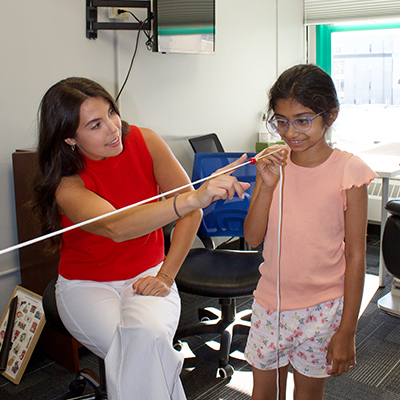
Post- Concussion Services
Early detection and diagnosis of post-concussion syndrome are essential for effective management and recovery. Seeking medical attention promptly after a head injury can help identify the underlying causes of your symptoms and guide you towards the appropriate treatment plan.
Learn More
- 403 Main Street, Suite 510
Buffalo, NY 14203 - Phone: (716) 852-7262
- Fax: (716) 852-7267
- Monday 9:00am - 5:00pm
- Tuesday 9:00am - 6:00pm
- Wednesday Closed
- Thursday 9:00am - 5:00pm
- Friday 8:00am - 4:00pm
- Saturday By Appointment Only
- Sunday Closed
- Monday
- Tuesday
- Wednesday
- Thursday
- Friday
- Saturday
- Sunday
- Monday
- Tuesday
- Wednesday
- Thursday
- Friday
- Saturday
- Sunday
© 2026 Dr. Sorrentino & Dr. Murzynski - Family Eyecare and Eyewear Boutique. All rights Reserved - Accessibility Statement - Privacy Policy - Sitemap
Managed and Designed by 